Providers:
Check out our monthly must-read designed to help you stay informed, save time and focus on patient care.
For all providers
Cracking the code: D4910, D4355, D0120, D0150 and D0180
A provider can bill D4910 (periodontal maintenance) or D4355 (full-mouth debridement) on the same day as D0120 (periodic oral evaluation).
A provider cannot bill D4355 on the same day as D0150 (comprehensive oral evaluation) or D0180 (comprehensive periodontal evaluation) because those evaluations include a periodontal examination. An accurate periodontal chart or clinical attachment levels cannot be obtained after debridement or scaling.
If a patient receives D4910 or D4355, a D0150 or D0180 cannot be billed until at least one week later (8+ days).
Does your claim require more information?
You may have received an information request because:
Additional clinical documentation may be needed to support the service submitted, such as radiographs, narratives, periodontal charting and/or clinical attachment level (CAL).
Information submitted on the claim may be incomplete.
COB information may be needed when another insurance carrier may be responsible for payment.
Certain procedures require supporting documentation to determine benefits or claim processing.
Additional information is needed to clarify the treatment provided or the circumstances surrounding the service.
Please remember to review an information request carefully and submit all requested documentation completely to prevent claim delays.
Code updates and revised provider manuals effective Jan. 1
A revised version of the CDT, as published by the ADA in the manual titled “CDT 2027 Current Dental Terminology,” will be effective Jan. 1, 2027, for services provided on or after Jan. 1, 2027, through Dec. 31, 2027.
We will soon complete our annual updates to the provider manuals, and updates will be available on the Dental Office Toolkit™ (DOT) in January.
Keep an eye out for a future email from us with details about these changes.

Medical necessity narratives
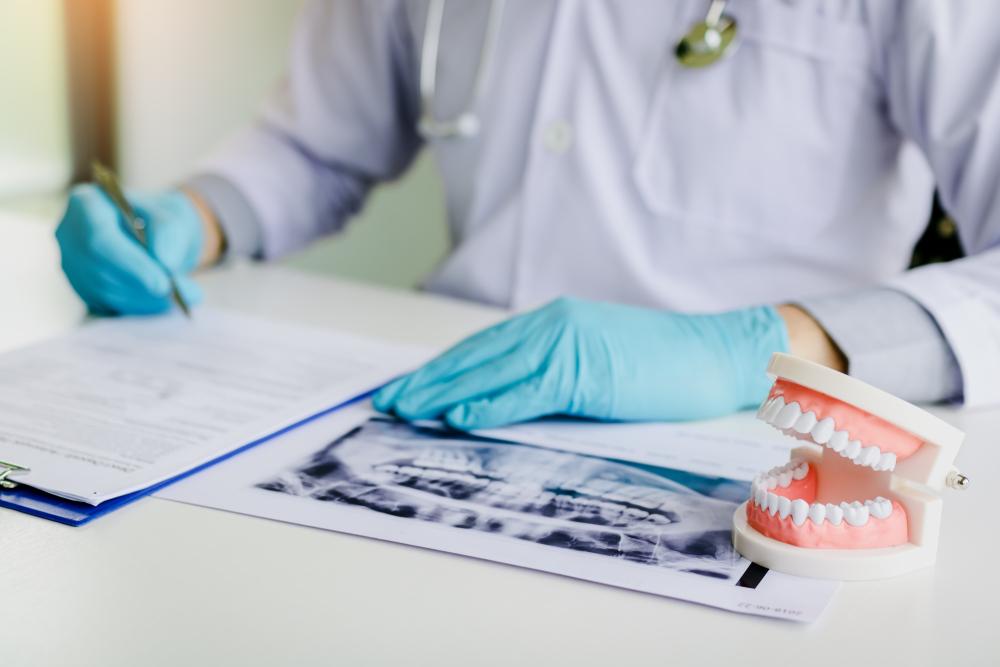
The purpose of a narrative submitted to support dental necessity is to clearly explain why treatment is necessary based on an individual's unique clinical findings, symptoms, diagnosis, medical history, functional limitations or risk factors. Reviewers evaluate narratives to try and determine a patient-specific need for care—not whether a standard description of a procedure has been provided.
Please do not use standardized templates about medical necessity and instead include clinical evidence, relevant radiographic findings, the impact of the condition on the patient's health and the rationale for the recommended treatment as it relates to their circumstances.